

Navigating the wild world of childhood can feel like herding cats on roller skates. Kids face a whirlwind of emotions, and sometimes they just need a little help to sort through the chaos. Enter mental health worksheets designed specifically for kids—think of them as the superhero capes for emotional well-being. They’re fun engaging tools that transform serious topics into exciting adventures.
Understanding Mental Health Worksheets for Kids
Mental health worksheets serve as valuable tools for children to engage with their emotions and thoughts. These resources offer structured activities that help kids express their feelings, recognize social cues, and develop coping strategies.
What Are Mental Health Worksheets?
Mental health worksheets consist of visual aids, exercises, and prompts designed to foster emotional growth. These materials encourage kids to explore various mental health topics, such as anxiety, anger management, and self-esteem. Worksheets may include activities like drawing, journaling, or filling in the blanks, making learning enjoyable and interactive. Engaging children in these activities helps them build resilience and emotional intelligence, essential for personal development.
Importance of Mental Health Education for Children
Mental health education plays a critical role in a child’s overall well-being. Understanding emotions helps prevent future issues and equips children with tools to navigate life’s challenges. Early education on mental health fosters empathy, reducing stigma around mental health topics. Teaching coping mechanisms supports children in managing stress and anxiety effectively. Knowledge of mental health promotes healthy relationships with peers and adults, leading to improved social skills and communication.
Types of Mental Health Worksheets
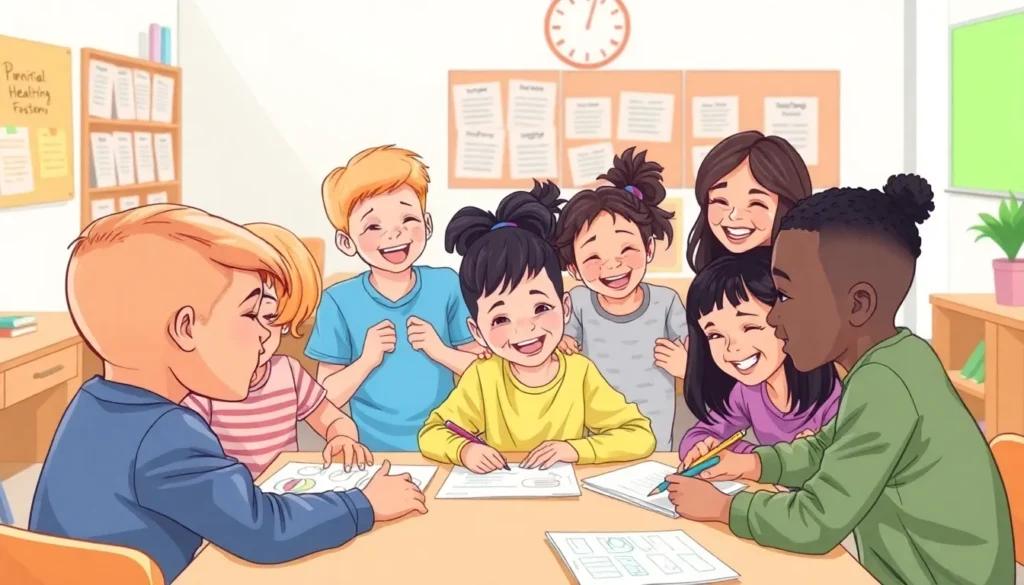
Mental health worksheets for kids come in various types to address specific needs. Each type targets different areas of emotional development.
Emotion Regulation Worksheets
Emotion regulation worksheets help children identify and manage their feelings. Activities within these worksheets encourage kids to express emotions through drawings or journaling prompts. Recognizing emotions promotes self-awareness and helps kids articulate their experiences. Kids learn techniques to cope with strong feelings, making it easier to handle stress and frustration. Examples of activities include emotion charts and scenarios that ask children to describe their feelings in different situations.
Coping Skills Worksheets
Coping skills worksheets provide strategies for children to deal with challenges effectively. These worksheets may include lists of coping strategies tailored for different emotions. Engaging in role-play scenarios or creating personal coping plans enhances practicality. Kids practice techniques such as deep breathing, counting to ten, or talking to a trusted adult. Through interactive exercises, children build a toolkit of skills they can use in real-life situations.
Mindfulness and Relaxation Worksheets
Mindfulness and relaxation worksheets focus on promoting calmness and self-reflection. Guided activities within these worksheets encourage children to practice mindfulness techniques, such as deep breathing and visualization. Engaging in straightforward exercises helps kids learn relaxation methods. Kids may fill out mindfulness journals or participate in coloring activities designed to reduce anxiety. Additionally, these worksheets support skills that foster a sense of peace and emotional balance.
Benefits of Using Worksheets with Children
Mental health worksheets provide significant advantages for children in managing their emotional well-being. They create a structured environment for learning essential skills related to mental health.
Enhancing Emotional Awareness
Understanding feelings becomes easier with mental health worksheets. They encourage children to identify emotions through engaging activities, such as drawing or writing prompts. Worksheets often include visual aids that depict various feelings, which help kids recognize and articulate their emotional states. With these tools, children develop heightened emotional awareness, allowing them to better address their feelings in everyday situations.
Encouraging Expression and Communication
Worksheets foster open expression and improve communication skills. By providing opportunities for children to share their thoughts and feelings, they learn to articulate their emotions more clearly. Exercises like role-playing or guided discussions promote active engagement and dialogue. Through these activities, children gain confidence in expressing themselves, which supports healthy relationships with peers and adults alike. Building effective communication skills prepares children to navigate complex emotional conversations in the future.
How to Implement Mental Health Worksheets in Daily Life
Implementing mental health worksheets in daily life requires a thoughtful approach. Engaging with children about their emotions fosters understanding and connection.
Creating a Safe Space for Discussion
Establishing a safe environment encourages open conversations. Children feel more comfortable expressing feelings without judgment. Designate a quiet area for discussions, free from distractions. Incorporate regular check-ins where kids can share emotions and experiences. Encourage them to explore and discuss the worksheets together. When children know they can speak freely, they develop trust and openness. Using positive reinforcement helps validate their feelings, reinforcing the importance of expressing emotions.
Tailoring Worksheets to Individual Needs
Adapting worksheets to suit individual needs makes them more effective. Assessing each child’s unique emotional challenges allows for personalized learning. Select activities that resonate with their interests and developmental stages. Children might benefit from visual aids if they respond well to imagery. Some may prefer hands-on activities like drawing or role-playing. Choose coping strategies that align with their preferences to enhance engagement. Regular feedback helps refine the activities, ensuring the worksheets remain relevant and supportive. Focusing on individual needs promotes ownership of their emotional well-being journey.
Mental health worksheets for kids are essential tools that empower children to understand and manage their emotions. By incorporating engaging activities and structured exercises, these worksheets help children develop crucial emotional skills in a fun and interactive way.
Creating a supportive environment where children can explore their feelings fosters trust and encourages open communication. By tailoring worksheets to meet individual needs, parents and educators can enhance children’s emotional resilience and promote a lifelong understanding of mental health.
Ultimately, investing time in these resources can lead to significant benefits, equipping children with the skills they need to navigate their emotional landscapes and build healthy relationships.

